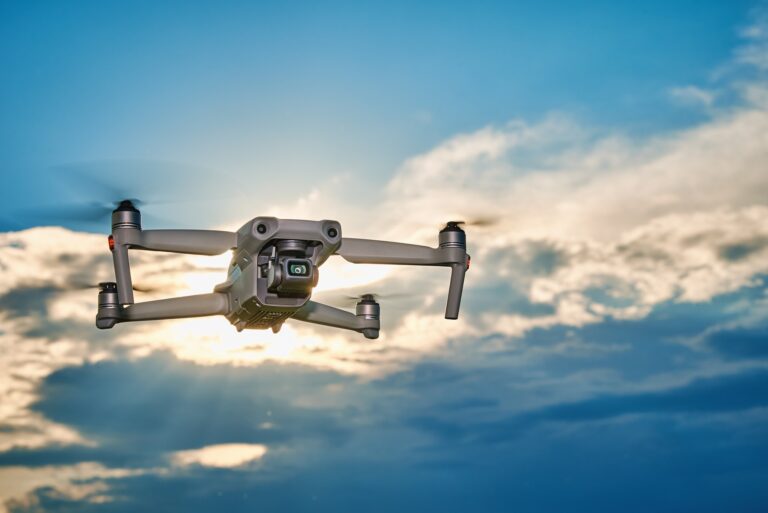
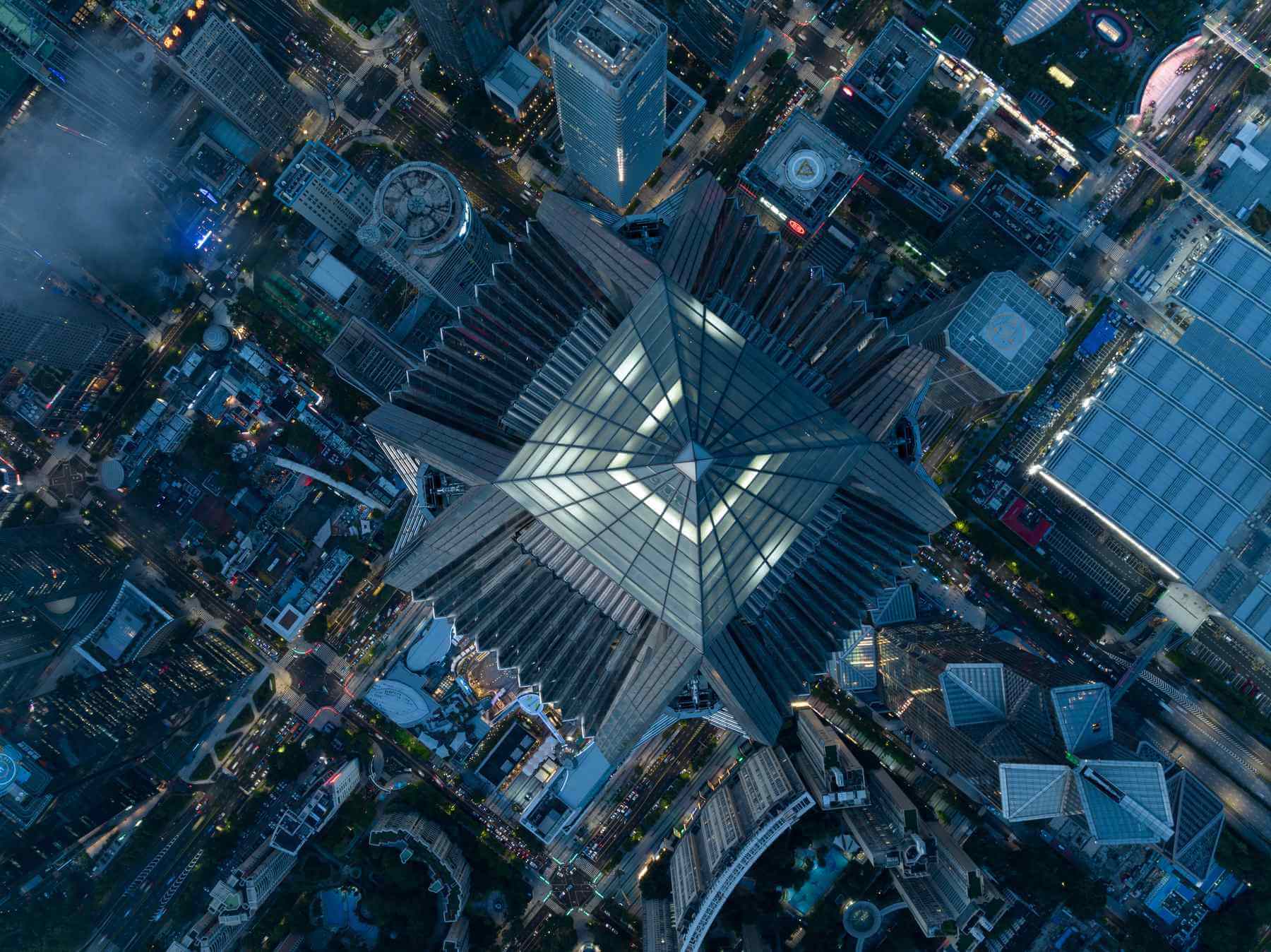
Drone photography and videography allow creators to capture unique aerial perspectives for landscapes, real estate, events, and travel content. Proper camera positioning, stable flight control, and planned compositions help produce professional-looking visuals.Lighting plays a major role in drone photography.
Using the right camera settings such as ISO, shutter speed, white balance, and frame rate improves image clarity and video smoothness. Adjusting settings based on lighting conditions helps create balanced exposure and sharper aerial content.Shooting during sunrise or sunset provides softer shadows, natural color tones, and more visually appealing aerial imagery.
Smooth flight movement and controlled camera angles are essential for cinematic footage. Slow flight patterns, gradual turns, and consistent framing help reduce shaky footage and create polished aerial videos.
Learn practical drone photography and videography tips to improve composition, camera control, and aerial storytelling for high-quality visual content.
Drone photography allows you to capture unique angles and wide landscapes that are difficult to achieve from the ground. Proper framing and camera positioning help create visually engaging aerial images.
Adjusting camera settings such as ISO, shutter speed, white balance, and frame rate improves image quality and video smoothness. Stable flight control also helps maintain sharp and cinematic footage.
Planning flight paths, using smooth camera movements, and shooting during ideal lighting conditions help create professional aerial content. Consistent framing and creative perspectives improve visual storytelling and engagement.
Drone photography and videography allow creators to capture stunning perspectives that showcase landscapes, architecture, events, and outdoor environments from above. Aerial visuals provide a unique viewpoint that adds depth, scale, and creativity to every shot.Soft natural light during early morning or evening creates better contrast, richer colors, and more visually appealing aerial scenes for both photos and videos.

Maintaining stable flight control and smooth camera movement is essential for producing professional-quality footage. Slow transitions, balanced framing, and controlled drone speed help create cinematic videos with a polished visual flow.Camera settings play a major role in achieving sharp images and well-exposed footage.
Adjusting focus, exposure, resolution, and shooting modes based on weather and lighting conditions helps improve clarity and overall visual quality.Soft natural light during early morning or evening creates better contrast, richer colors, and more visually appealing aerial scenes for both photos and videos.