


Click on the Edit Content button to edit/add the content.

Night Vision Drone Operations

Low-Light Aerial Monitoring

Low-Light Drone Operations

Advanced Nighttime Drone Surveillance

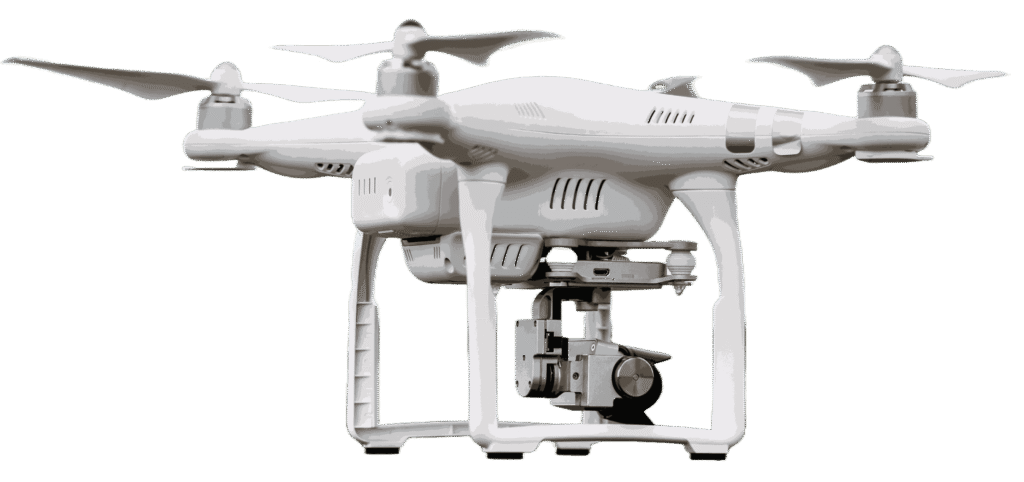
Night vision drone operations use specialized cameras and low-light imaging technology to capture clear aerial visuals during nighttime or low-visibility conditions. These drones support monitoring, inspections, security patrols, and emergency response where standard visibility is limited. Night vision capabilities improve observation across large areas while maintaining operational efficiency.

Drone-based night operations also assist with surveillance, wildlife monitoring, search missions, and infrastructure inspections after dark. Thermal and infrared imaging help detect movement, heat signatures, and environmental conditions with greater accuracy. These solutions provide reliable nighttime visibility for industries that require continuous monitoring and low-light aerial support.


Enhanced Night Visibility

Benefits of Night Vision Drone Operations

Improved Low-Light Monitoring

Capture clear aerial visuals during nighttime and limited visibility conditions.

Enhanced Surveillance Support

Monitor large areas efficiently with thermal and infrared imaging.

Better Emergency Response

Assist search operations and incident monitoring after dark.

Accurate Heat Detection

Identify heat signatures, movement, and environmental changes effectively.
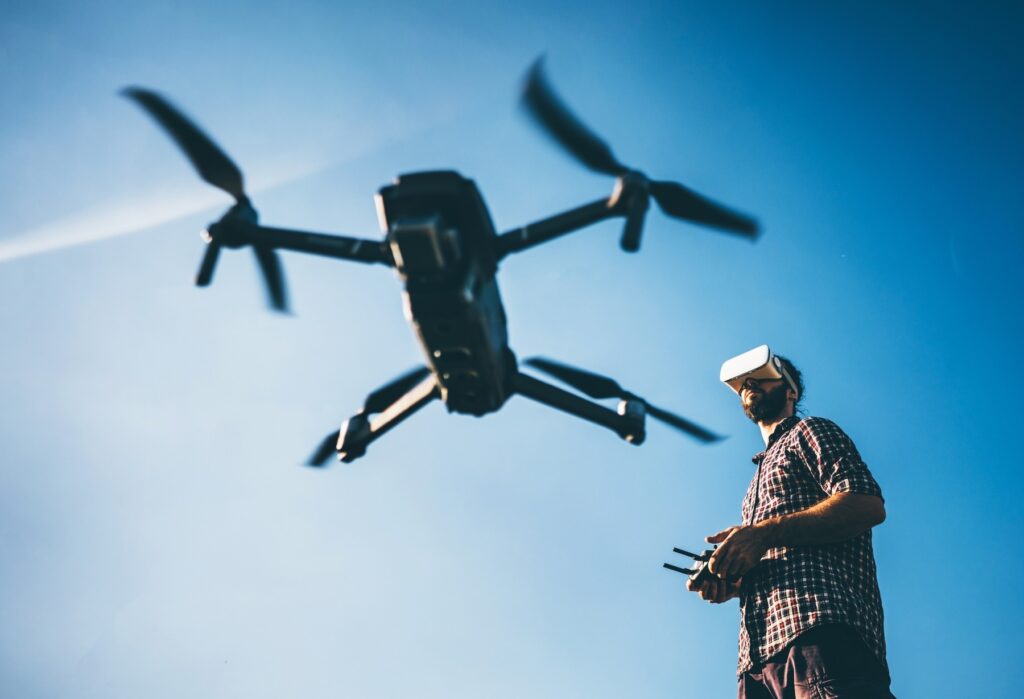
Night vision drone operations improve visibility, monitoring accuracy, and safety during low-light aerial activities.


Night Aerial Support

Advanced Night Vision Drone Solutions

Night vision drone solutions provide reliable aerial monitoring during nighttime and low-light conditions. Equipped with thermal and infrared imaging, these drones capture clear visuals for surveillance, inspections, and emergency operations. This technology improves visibility where standard cameras may have limited performance.

Using night vision drones also supports security monitoring, search operations, and infrastructure inspections after dark. Real-time aerial imaging helps identify movement, heat patterns, and environmental conditions with better accuracy. These solutions improve operational efficiency while supporting safe and effective nighttime drone use.