Click on the Edit Content button to edit/add the content.

Drone Safety Guidelines

Essential Drone Safety Guidelines for Responsible Flying

Drone safety begins with proper pre-flight preparation and equipment inspection. Operators should always check battery levels, GPS connection, weather conditions, and surrounding airspace before takeoff to ensure stable and secure flight performance.Safe drone operation also requires maintaining a safe distance from people, buildings, and moving vehicles. 

Maintaining visual line of sight and avoiding restricted areas are essential for safe drone operations. Understanding local regulations, altitude limits, and emergency procedures helps reduce risks and supports responsible drone flying.Understanding airspace restrictions near airports, government facilities, and crowded public areas helps ensure legal compliance and prevents unexpected operational issues.

Routine maintenance and flight planning improve reliability and operational safety. Monitoring signal strength, updating firmware, and using safety features like return-to-home and obstacle detection contribute to smoother and safer drone performance.

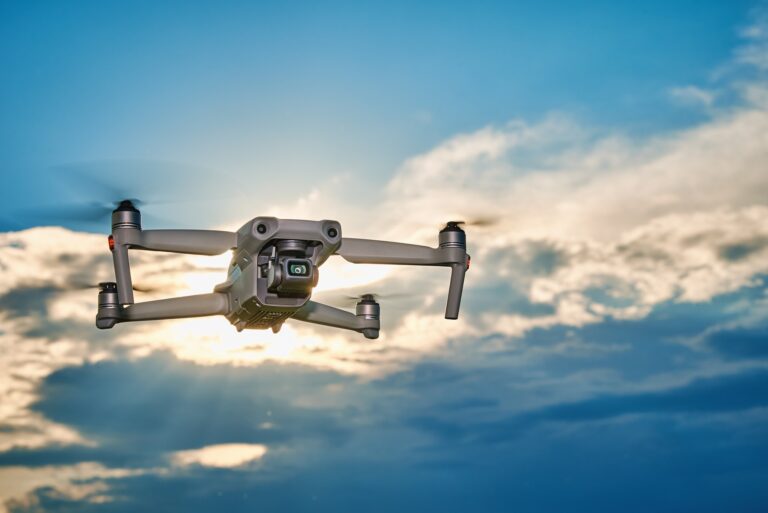
Essential Drone Safety Practices for Every Flight

Learn how proper drone safety measures improve flight control, reduce operational risks, and support responsible flying. Following safety guidelines helps operators maintain stable performance across different environments and flight conditions.

Safe Flight Environments

Drone safety is important when operating in urban areas, open landscapes, industrial zones, and construction sites. Following proper flight procedures helps reduce risks, protect equipment, and maintain safer drone performance.

Pre-Flight Preparation

Before every flight, operators should inspect battery levels, GPS connectivity, propeller condition, and weather conditions. Performing pre-flight safety checks improves reliability and reduces the chance of technical issues during operation.

Responsible Flying Practices

Maintaining visual line of sight, avoiding restricted airspace, and monitoring surroundings help ensure safer drone operation. Responsible flying practices reduce accidents and support compliance with local drone regulations.

Choosing the Right Drone for Your Needs

Enhance Drone Safety & Reliable Flight Performance

Drone safety starts with proper preparation and understanding flight conditions. Before takeoff, operators should inspect batteries, propellers, GPS connectivity, and weather conditions to ensure stable and secure operation. Conducting a pre-flight checklist helps identify potential issues early and reduces the risk of unexpected technical problems during flight. 

Safe drone performance depends on following flight regulations and maintaining control during operation. Features such as obstacle avoidance, return-to-home systems, and signal monitoring help improve safety across different environments. Routine maintenance and responsible flight planning play an important role in long-term drone reliability.

 Regular inspections, firmware updates, and awareness of restricted airspace help reduce risks and support safer drone operations. Monitoring battery health, cleaning sensors, and checking propeller condition can improve flight stability and equipment lifespan.