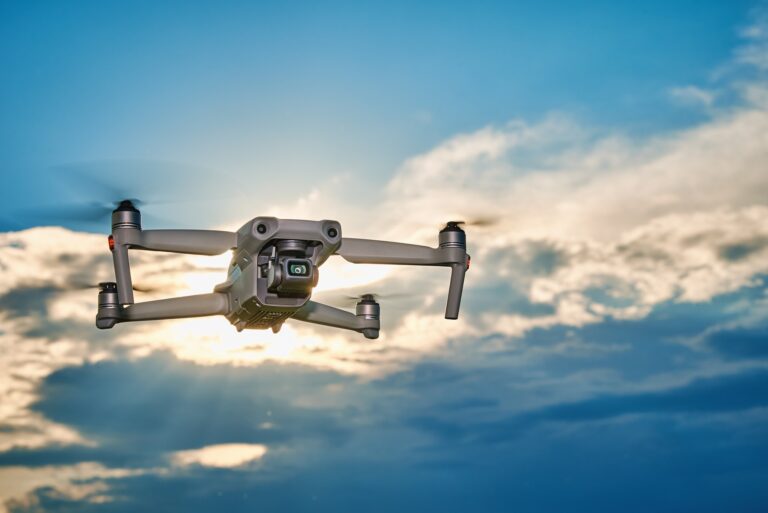
Regular drone maintenance helps ensure reliable performance, longer equipment lifespan, and safer flight operations. Operators should inspect propellers, batteries, motors, and landing gear before and after each flight to identify wear or damage early.Updating flight software, navigation systems, and camera settings helps improve functionality, fix technical issues, and ensure compatibility with the latest safety features.
Keeping drones clean and properly stored plays an important role in maintaining performance. Dust, moisture, and debris can affect sensors, cameras, and moving parts, so routine cleaning and safe storage help protect equipment from unnecessary damage.Tightening loose parts and replacing worn-out components can improve stability and reduce the risk of unexpected equipment issues.
Battery care is essential for consistent drone operation. Monitoring battery health, avoiding overcharging, and storing batteries at recommended temperatures help maintain flight stability and improve long-term efficiency.

Learn practical drone maintenance tips that help improve performance, reduce equipment wear, and support safer long-term operation across different flight environments.
Inspect propellers, motors, landing gear, and body structure regularly to identify wear or damage. Routine checks help maintain flight stability and reduce the risk of equipment failure during operation.
Monitor battery performance, charging cycles, and storage conditions to improve drone reliability. Proper battery care helps extend flight time and supports consistent operational performance.
Regular cleaning, firmware updates, and component maintenance help drones perform efficiently over time. Preventive maintenance reduces downtime and supports safer, long-term drone operation.
Drone inspection methods help businesses perform detailed assessments across infrastructure, construction, energy, and industrial environments. Using aerial inspections allows operators to collect accurate visual data while reducing manual inspection risks and improving efficiency.Drone-based inspections provide reliable documentation, detailed imagery, and efficient reporting for long-term asset management.
Modern drone inspections use high-resolution cameras, thermal imaging, and automated flight paths to capture precise information from difficult-to-access locations. These methods support faster inspections while improving accuracy and minimizing operational downtime.Advanced inspection workflows improve safety by reducing the need for manual climbing or hazardous site access.
Drone inspection technology is widely used for roof inspections, power line monitoring, bridge assessments, solar panel inspections, and structural evaluations. Regular aerial inspections help identify maintenance issues early and support informed decision-making.