Click on the Edit Content button to edit/add the content.
Beginner’s Guide to Drones
Beginner’s Guide to Choosing the Right Drone
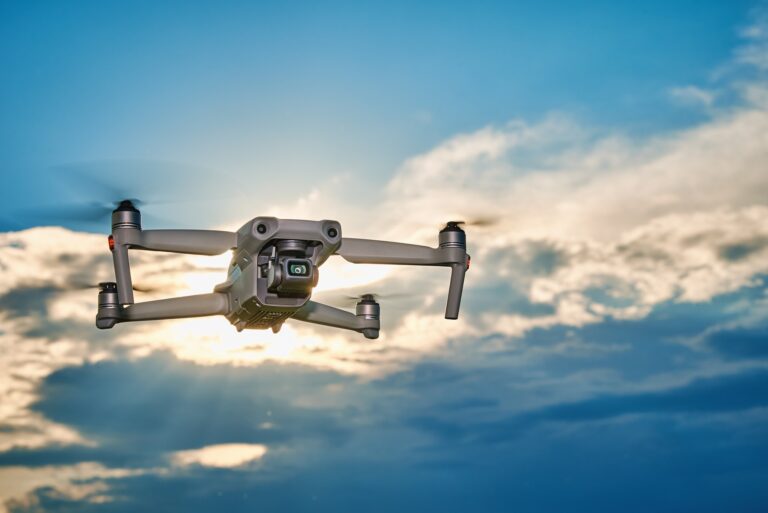
A beginner’s drone guide helps users understand the essential factors to consider before choosing the right drone. Features such as camera quality, flight range, battery life, stability, and ease of control play a major role in performance. Different drones are built for photography, mapping, inspections, agriculture, and recreational flying, making it important to select one based on the intended purpose. Understanding these basics helps users make informed decisions and choose a drone that fits their needs.
Choosing the right drone also depends on experience level, budget, and operating environment. Beginners often prefer lightweight drones with user-friendly controls and safety features like GPS and auto-return.
Advanced users may require drones with intelligent flight modes, stronger cameras, and extended flight capabilities. Selecting the right model ensures better performance, smoother operation, and long-term value.
Find the Right Drone for Every Application
Discover essential drone features, compare performance options, and explore industry-specific capabilities to find the right solution for your needs. Choose a drone that aligns with your goals, budget, and long-term operational requirements.
Understand Your Drone Requirements
Identify the main purpose of your drone before making a purchase. Whether you need it for photography, inspections, mapping, agriculture, or recreational flying, choosing the right category ensures better performance and long-term usability.
Compare Features & Specifications
Review essential drone specifications such as camera quality, battery life, flight range, stability, payload capacity, and safety features. Comparing these details helps you find a drone that matches your expectations and budget.
Choose Based on Skill Level
Pick a drone that matches your flying experience and comfort level for easier operation. Beginner-friendly controls and advanced flight features improve safety, performance, and overall user experience.
Choosing the Right Drone for Your Needs
Evaluate Drone Performance & Reliability
When choosing a drone, it is important to evaluate overall performance, durability, and reliability for long-term use. Features such as stable flight control, strong battery backup, weather resistance, and advanced navigation systems contribute to better operational efficiency. A reliable drone can perform consistently across different environments and project types, making it suitable for photography, inspections, mapping, and commercial tasks. High-quality drones also help reduce maintenance issues while improving safety and flight stability.
When selecting a drone, users should compare performance capabilities based on their intended application and usage requirements. Factors such as build quality, camera performance, flight range, and intelligent safety features influence reliability and control. Advanced drones often include smart flight modes, obstacle avoidance, and precision navigation for improved results. These features help users achieve consistent performance in challenging environments and complex projects.